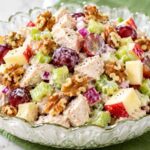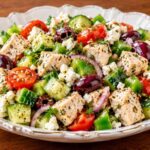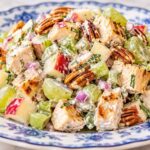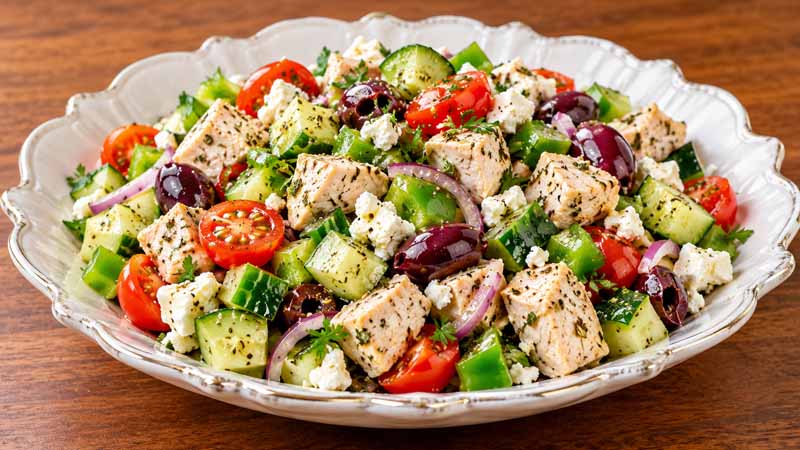
This Greek-Style Chicken Salad brings together tender chicken, crisp cucumber, juicy tomatoes, salty feta, and Kalamata olives in a bright lemon-oregano dressing.
It is fresh, colorful, and satisfying, with enough texture to make every bite interesting. Serve it for a relaxed lunch, a simple dinner, or a meal you can prepare ahead for a busy day.
The recipe uses cooked chicken, so there is no need to turn on the stove. Leftover roasted chicken or a cooled rotisserie chicken works well.
A short rest in the refrigerator gives the dressing time to flavor the chicken while keeping the vegetables pleasantly crisp.
Recipe Overview
- Preparation time: 20 minutes
- Cooking time: 0 minutes, using cooked chicken
- Chilling time: 20 minutes
- Total time: 40 minutes
- Servings: 4 main-dish servings
- Method: Chopped salad, served chilled
The timing assumes your chicken is already cooked and cold. If you cook chicken specifically for this recipe, allow additional time for cooking and cooling before assembling the salad.
Ingredients
For the Salad
- 3 cups cooked, skinless chicken breast, cut into bite-size pieces (approximately 420 grams)
- 1 large English cucumber, diced (approximately 300 grams)
- 2 cups cherry tomatoes, halved (approximately 300 grams)
- 1 medium green bell pepper, seeded and diced (approximately 120 grams)
- ½ cup thinly sliced red onion (approximately 60 grams)
- ½ cup pitted Kalamata olives, drained and halved (approximately 70 grams)
- ¾ cup crumbled feta cheese (approximately 110 grams)
- ¼ cup chopped fresh flat-leaf parsley
For the Lemon-Oregano Dressing
- 3 tablespoons extra-virgin olive oil
- 3 tablespoons freshly squeezed lemon juice
- 1 tablespoon red wine vinegar
- 1 teaspoon Dijon mustard
- 1 teaspoon dried oregano
- 1 small garlic clove, finely grated
- ¼ teaspoon fine salt
- ¼ teaspoon freshly ground black pepper
Directions
How to Make Greek-Style Chicken Salad
1. Prepare the cooked chicken
Cut the cold chicken into pieces about ½ to ¾ inch wide. Keeping the pieces fairly even makes the salad easier to mix and eat.
If you prefer shredded chicken, pull it into short strands with two forks. Remove any skin, bones, or tough pieces before measuring.
Place the prepared chicken in a large mixing bowl with enough room to toss everything comfortably.
2. Wash and dry the vegetables
Rinse the cucumber, tomatoes, bell pepper, and parsley under cool running water. Dry them thoroughly with a clean kitchen towel or paper towels.
This small step matters: excess water can collect at the bottom of the bowl and dilute the dressing. Pat the parsley dry before chopping so it stays loose instead of clumping together.
3. Chop the cucumber, tomatoes, and pepper
Cut the cucumber into bite-size pieces. English cucumber has a tender skin, so peeling is optional. If yours has a particularly watery center, scrape out the loose seeds with a spoon.
Halve the cherry tomatoes, or quarter any unusually large ones. Remove the stem, seeds, and white inner ribs from the pepper, then dice it into pieces similar in size to the cucumber.
4. Slice the onion and prepare the olives
Slice the red onion as thinly as possible so its flavor spreads throughout the salad. For a milder taste, soak the measured onion in cold water for five to ten minutes, then drain and pat it dry.
Check that the olives are completely pitted before halving them. Drain away any remaining brine to keep the salad from becoming too salty or wet.
5. Whisk the dressing
In a small bowl, combine the lemon juice, red wine vinegar, Dijon mustard, oregano, grated garlic, salt, and black pepper. Slowly pour in the olive oil while whisking until the mixture looks slightly thickened and evenly blended.
Alternatively, place everything in a small jar, close the lid tightly, and shake well. The mustard helps the oil and acidic ingredients stay mixed long enough to coat the salad.
6. Combine the chicken and vegetables
Add the cucumber, tomatoes, bell pepper, onion, olives, and parsley to the bowl of chicken. Pour the dressing over the mixture.
Using two large spoons, lift the ingredients from the bottom and gently turn them over several times. Continue until the chicken and vegetables look lightly coated.
Avoid pressing down on the tomatoes, which can release extra juice and soften the mixture.
7. Fold in the feta and chill
Add the crumbled feta and gently fold it through the salad, leaving a few larger pieces intact. Cover the bowl and refrigerate for 20 minutes.
This brief chilling period helps the chicken absorb the dressing and softens the sharpness of the onion and garlic.
Before serving, toss gently again because some dressing will settle at the bottom.
8. Taste and serve
Taste a bite that includes chicken, vegetables, and feta before adjusting the seasoning. The olives and cheese already contribute salt, so you may not need more.
Divide the salad evenly among four bowls, including the dressing and juices. Serve on its own or with warm pita bread. Bread and other accompaniments are not included in the nutrition estimates below.
For the best texture, serve this salad shortly after its chilling time. If preparing it ahead, refrigerate the dressing separately from the chicken and chopped vegetables, then combine them before serving.
Store tomatoes separately if possible, since they release juice as they sit. Keep leftovers covered in the refrigerator and use within three days, or sooner if the chicken was already stored before making the salad. Stir gently before serving again.
Nutrition Facts
Estimated nutrition per serving, based on four equal servings:
| Nutrient | Estimated amount |
|---|---|
| Calories | 425 |
| Protein | 38 g |
| Carbohydrates | 13 g |
| Total fat | 24 g |
| Saturated fat | 6 g |
| Fiber | 3 g |
| Sodium | 820 mg |
These estimates include all the listed salad ingredients and dressing. Actual values vary by ingredients and portion size, especially the feta, olives, and cooked chicken used.
Rotisserie chicken may contain more sodium than plain home-cooked chicken. Pita bread, extra cheese, and other additions will change the totals.